
Estimated age
A DNA methylation-based estimate of calendar age.
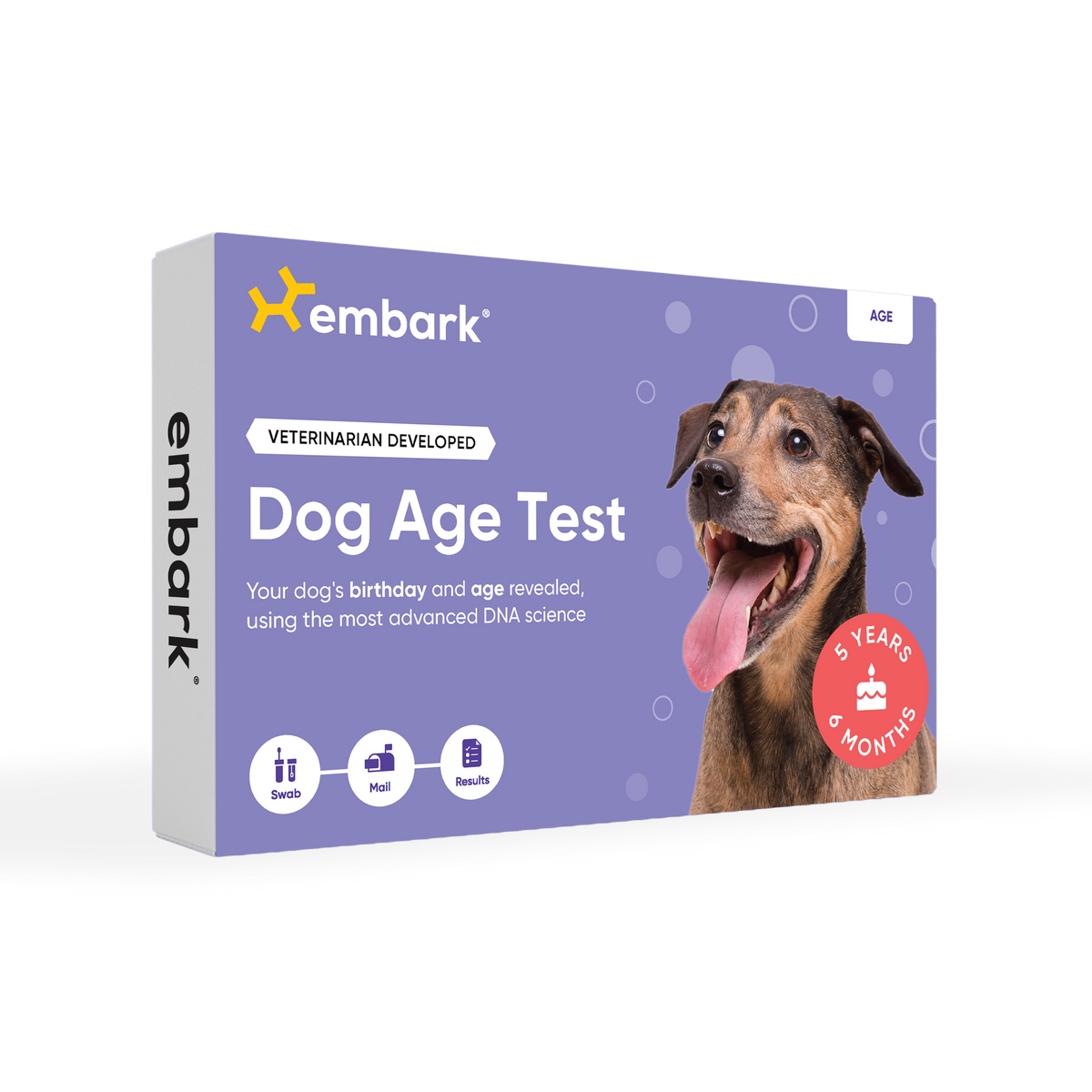
Celebrate the story of your dog with a DNA methylation-based estimate of calendar age and birthday. The report includes an estimated date, a likely range, and life-stage guidance.
This is a separate age-focused test, not a breed or genetic health test. It requires a new cheek swab and works best for dogs past the puppy stage.
Product details
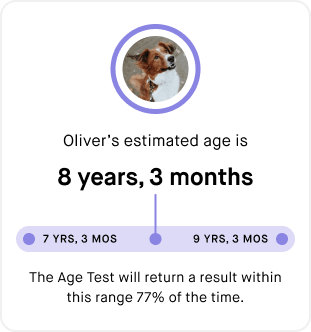
The Age Test uses DNA methylation patterns to estimate your dog’s calendar age. It also presents an interval to help you interpret the estimate.
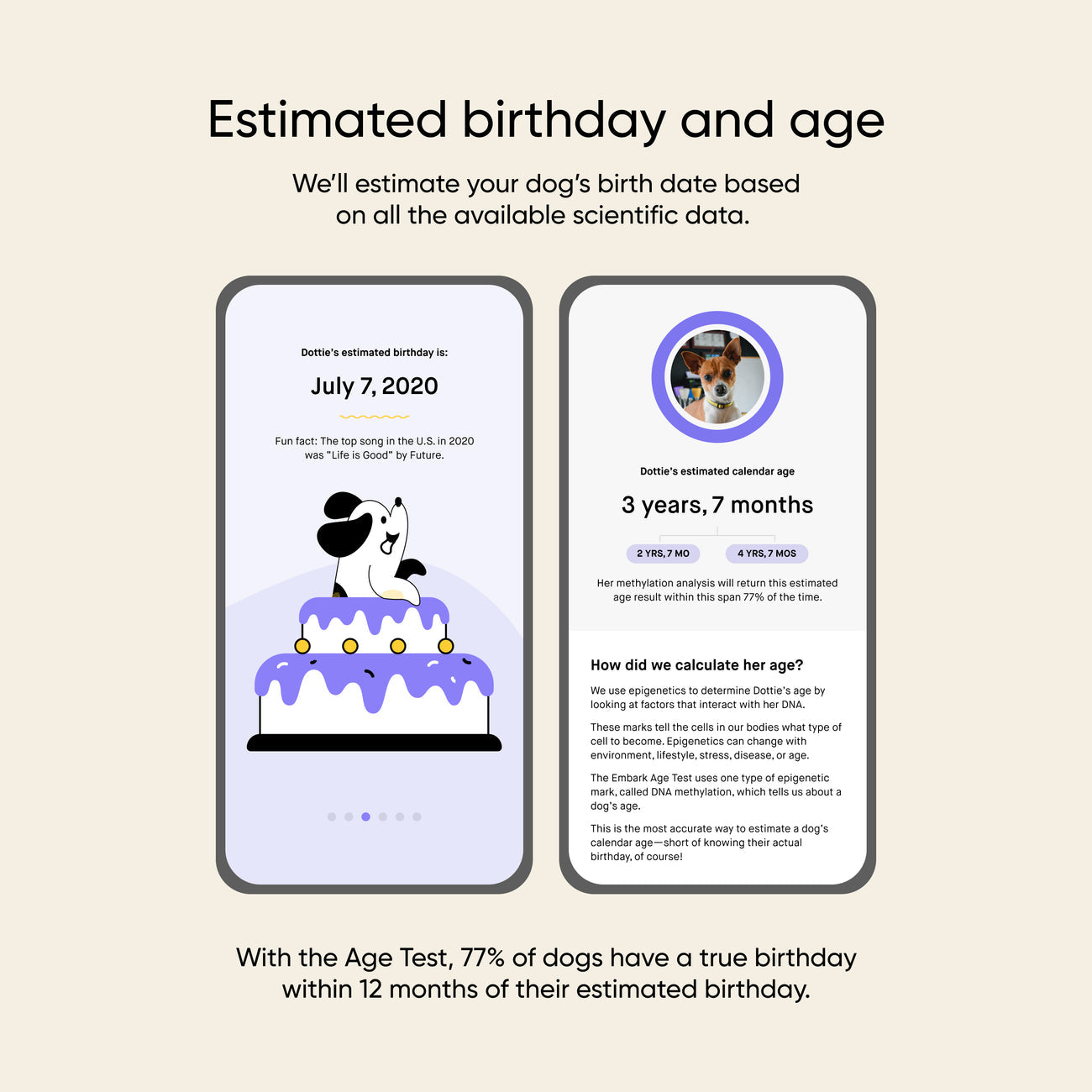
Receive a science-based birthday estimate, not an exact birth record. The result includes a likely range of dates.
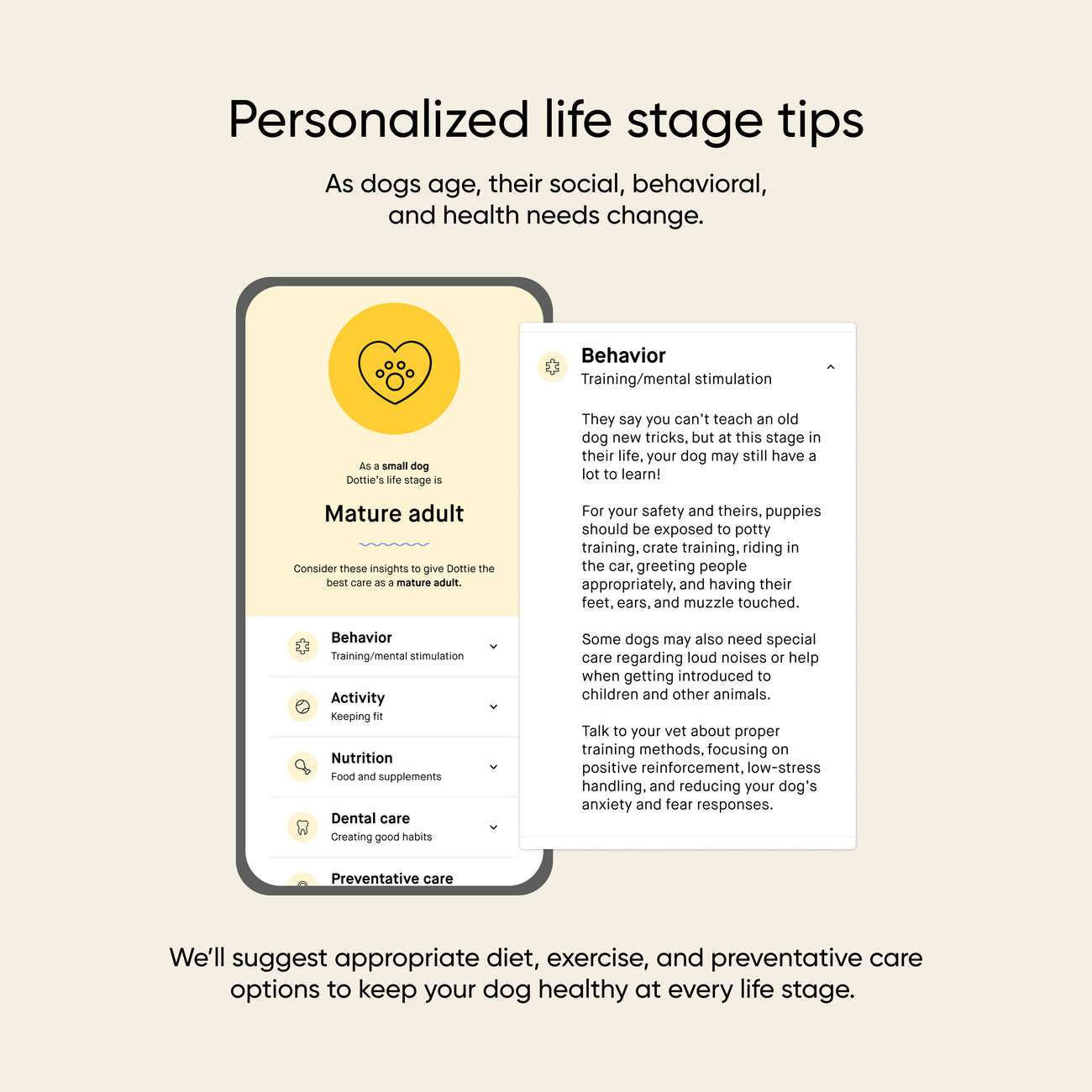
Explore everyday care considerations for your dog’s estimated life stage, including activity and nutrition topics.
The Age Test does not provide breed breakdown, genetic health screening, or Relative Finder results. It requires its own cheek swab.
Sample age result
Preview how estimated age, birthday, and prediction interval appear in an Age Test report. The result is an estimate, not a precise date of birth.
Product features
A DNA methylation-based estimate of calendar age.
A likely birthday date with an interpretation range.
Care topics tailored to the estimated stage of life.
How it works
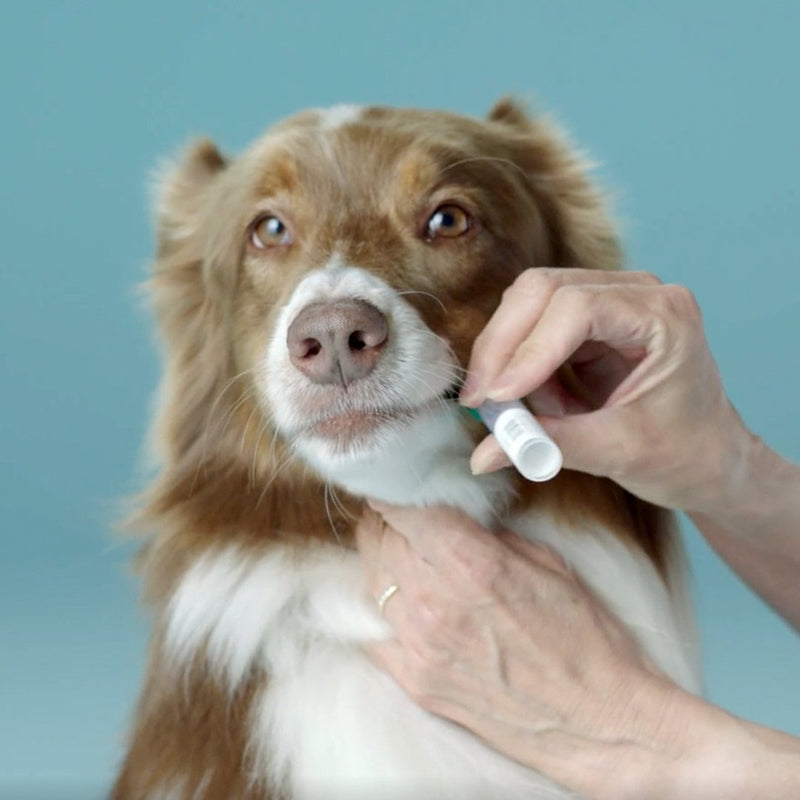
Collect a fresh cheek-swab sample. A prior breed-test swab cannot be reused.
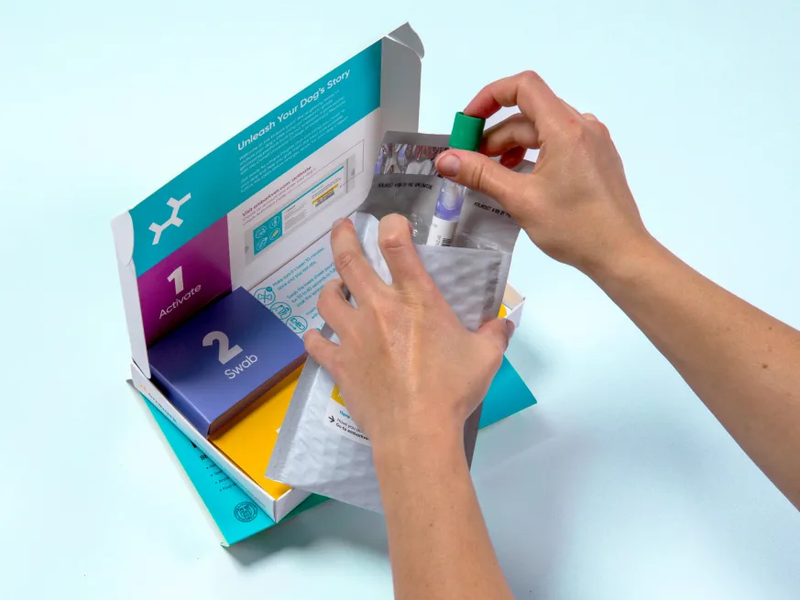
Activate your Age Test and follow the kit’s return instructions.
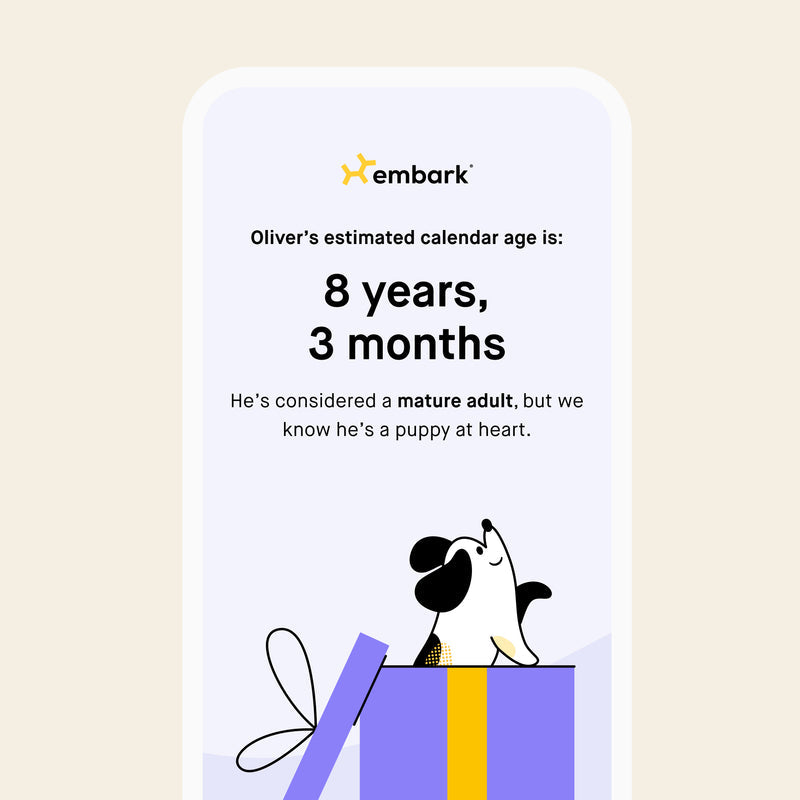
Review the age and birthday estimate when results are ready, typically in 4–5 weeks.
Product support
No. Age Test estimates age and birthday using DNA methylation; it does not include breed identification, health screening, ancestry, or Relative Finder.
No. The report gives an estimated date and a likely range because DNA cannot establish the exact day of birth.
Yes. Age Test uses a separate laboratory process and needs its own sample, even if your dog has taken another DNA test.
The test works best for dogs past the puppy stage and is not recommended for dogs likely under one year old.
Results typically take about 4–5 weeks after the sample reaches the lab. Timing may vary.

